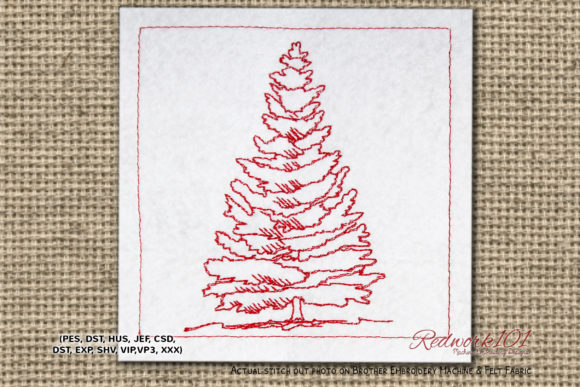
Spruce Tree Redwork: A Practical Review for Project Use
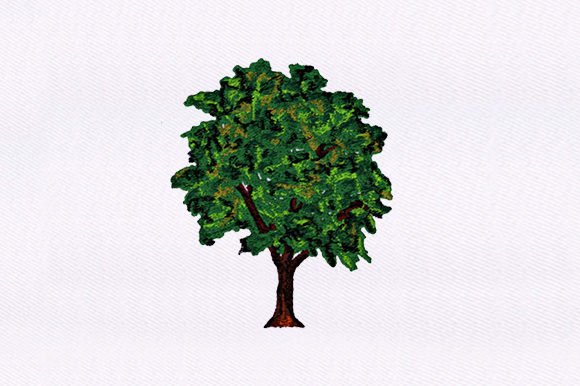
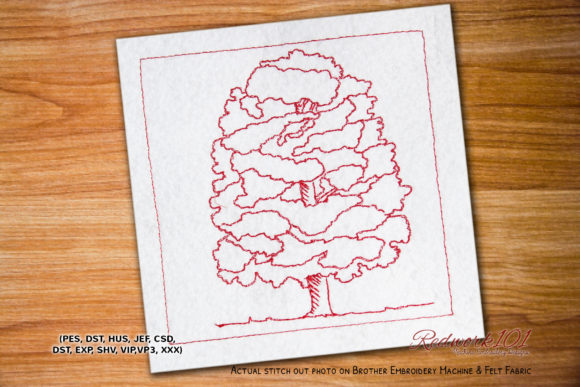
When browsing for a new design to add to my commercial embroidery workflow, especially for seasonal or forest-themed projects, the visual clarity of Spruce Tree Redwork immediately caught my eye. Its clean, illustrative style presents a classic evergreen silhouette that feels both timeless and versatile. As a designer who regularly creates handmade products for clients, my first impression was that this embroidery file has a strong decorative appeal without being overly intricate, suggesting it would stitch out efficiently and look sharp on a finished product.
Where This Design Finds Its Natural Home
In considering real project applications, the mood of Spruce Tree Redwork leans towards rustic charm and natural simplicity. It naturally fits a wide array of projects I handle daily. For custom apparel, like sweatshirt embroidery or caps, it would serve as a perfect accent logo for outdoor brands or lifestyle shops. Its defined shape makes it ideal for embroidered patches. For home goods, which are a staple for many Etsy sellers and craft fair products, I visualized it on tote bags, aprons, pillow covers, and kitchen towels to create cohesive forest-themed lines. In baby items and nursery decor, such as on a baby blanket, the design offers a gentle, nature-inspired motif that avoids being too juvenile, enhancing its giftability.
Performance in Real Embroidery Work
The practical performance of an machine embroidery design is paramount. Based on its visual structure, Spruce Tree Redwork appears to have areas of defined fill stitch for the tree body and likely uses running stitch or satin stitch for outline details. This balance suggests manageable stitch density. For projects on textured fabric like towels or on stretchy fabric like sweatshirts, using the proper stabilizer will be key to maintaining its clean lines. On dark fabric, the design’s effectiveness will depend entirely on thread color contrast; a bright white or cream thread would make it pop, while darker greens might lose definition. The design’s likely simplicity is a benefit for curved cap surfaces, where overly dense designs can pucker.
A crucial note from the product description is about “The Box Stitch.” It states the box is optional and its color is often different, and you can skip it. This is a valuable feature for commercial use. It means I can adapt the design purely to the tree itself, simplifying the embroidery file for smaller hoop sizes or for applications where a framing box isn’t desired, like on a patch or baby blanket. It adds to the design’s flexibility.
Affecting Product Value and Customer Trust
Using a well-executed Creative Fabrica embroidery design like this in your finished product directly impacts perceived value. A clean, crisp spruce tree enhances handmade presentation and visual appeal, signaling quality to buyers. For small business owners building a brand around nature or forestry themes, this design can contribute to brand consistency across different products. In product photography for your online shop or printable mockup, a clean embroidery detail like this makes the item look professional and engaging, boosting customer engagement. For handmade gifts, it adds that personal, crafted touch that recipients appreciate.
Essential Practical Steps Before Stitching
No matter how promising a design looks, jumping straight into a customer order is risky. My standard process applies fully to Spruce Tree Redwork. First, I always test on scrap fabric of the same type I plan to use—be it canvas for a tote or fleece for a blanket. This allows me to review stitch density, check thread color contrast, and inspect small details after stitching. I also confirm hoop size by checking the actual digital embroidery file details; the product description doesn’t specify this, so it’s a mandatory step. Creating compare light and dark fabric mockups digitally helps plan thread color choices.
Most importantly, I always confirm file details and licensing on the Creative Fabrica product page before selling finished items. This is non-negotiable for any commercial embroidery or sale of handmade products. The description doesn’t list specific file formats, stitch counts, or license terms, so accessing that product page is where you’ll find the crucial technical and legal information needed for professional use. This protects your business and ensures you’re using the design assets correctly.
Final Thoughts for Creative Entrepreneurs
Spruce Tree Redwork presents itself as a solid, adaptable Forest motif within the Embroidery category. Its optional box stitch feature and illustrative style make it a candidate for efficient production across many product types, from apparel to home decor. Its success in your specific project will hinge on those practical pre-production tests and a thorough review of the provided file specifications. For designers and makers looking for a straightforward, nature-inspired element to incorporate into their lines, this design warrants consideration. It has the potential to stitch out reliably and add that crafted, professional finish that elevates a simple item into a valued personalized gift or sought-after boutique merchandise.