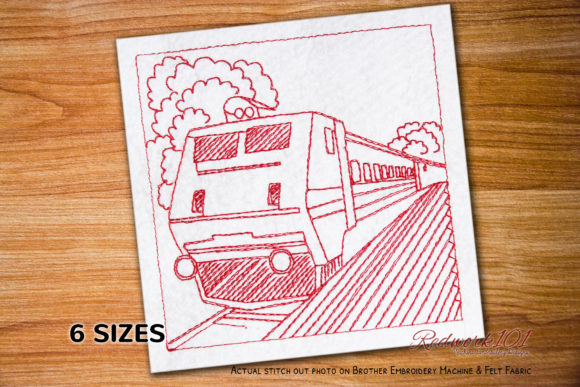
Indian Railways Redwork Embroidery Design Review for Merch
As an embroidery designer working with small businesses, my first task with any new file is to evaluate its potential for real-world branded merchandise. When I look at the Indian Railways Redwork embroidery design, my immediate impression is of a classic, authoritative, and distinctly heritage visual. The name suggests a redwork embroidery style, which traditionally uses a single red thread color for outlines and details, evoking a sense of craftsmanship and history. This gives it a rustic yet professional character that could be perfect for businesses wanting to convey reliability, tradition, or a connection to travel and movement.
Visual Personality and Brand Identity Fit
For a café near a station, a boutique selling travel-inspired goods, or a creative studio with a kinetic brand ethos, this design carries intrinsic meaning. The Transportation theme isn’t just decorative; it’s a narrative. Used as a chest logo on staff uniforms or a subtle accent on a tote bag, it silently communicates values like journey, connection, and service. The design’s personality leans classic and handmade, which can elevate a brand perceived as authentic and skilled. For an Etsy seller or a handmade product label, this adds a layer of perceived value and craftsmanship, boosting customer trust and engagement.
Practical Performance in Business Applications
Let’s translate that visual appeal into actual small business merch. The core question is: how does this machine embroidery design perform when stitched out?
Embroidered Patches and Product Labels
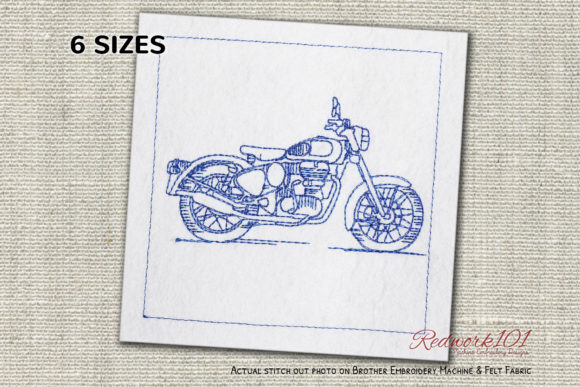
For creating standalone embroidered patches for retail or as customer gifts, the redwork style is excellent. Typically, simpler color palettes and clear outlines mean cleaner finished products. The description notes “The Box Stitch shown in picture is optional. The color of outer Box is different color in most of the designs unless it is part of the design itself, you can skip the color directly in.” This is a crucial practical note. It means you have flexibility. For a patch, you might omit the outer box for a cleaner, more integrated look, or include it in a contrasting color to make the patch pop on a dark apron or cap. Always test the design at your intended patch size first, especially if creating smaller patches for product packaging accents.
Apparel and Accessory Embroidery
For custom apparel like staff uniforms, work shirts, or aprons, this design can be a powerful brand mark. As a chest or sleeve detail, its classic feel reinforces professionalism. For cap embroidery, pay close attention to the stitch density and design size. Cap fronts are curved and smaller; a design with too much detail or tiny lettering might not stitch cleanly. The redwork technique, often relying on outline stitches, can be favorable here, but a test on real fabric with proper stabilizer is non-negotiable. On tote bags, it makes a great mark, but consider the fabric texture; a heavier canvas might require adjusted settings.
Digital File Use for Mockups and Production
As a digital embroidery file, its utility extends before the hoop. Use it to create printable mockups for client approval or to visualize it alongside your other design assets. This is vital for maintaining visual consistency across all your branded merchandise.
Where to Exercise Caution
Even promising designs have limits. With Indian Railways Redwork, several application scenarios demand extra care.
- Very Small Patch Sizes: If you’re miniaturizing it for a tiny product label, ensure all elements remain distinct. Redwork’s simplicity helps, but condensed details can blur.
- High-Stitch-Density Areas: If the design includes filled blocks, test on items requiring frequent washing, like uniforms, to ensure durability.
- Dark Background Fabrics: The traditional red thread offers great contrast on light fabrics, but on dark uniforms or bags, you might need to adjust thread colors for visibility.
- Curved or Difficult Surfaces: Always hoop and test on the actual item—like a cap or a curved sleeve panel—before final production.
Essential Designer Notes Before You Hoop
Before running this file for any commercial embroidery project, follow this checklist.
- Test in Monochrome First: Run a stitch-out in black and white on your test fabric. This reveals the pure structure, spacing, and potential issues without color distracting you.
- Verify Thread Color Contrast: Plan your thread palette. If skipping the optional outer box color, does the core design still stand out on your chosen fabric?
- Confirm Hoop Size & Stabilizer: Match the design size to an appropriate hoop and use the correct stabilizer for your final fabric (tote bag canvas vs. staff shirt poly-cotton).
- Create a Client or Customer Mockup: For your small business or a client, a visual mockup prevents mismatched expectations.
- Compare Beside Other Brand Assets: Does Indian Railways Redwork fit visually with your other logos or graphics on the same merchandise?
- Confirm Commercial Licensing: The product description does not specify license terms. You must verify that your intended use—selling patches, decorating apparel for resale—is covered under the file’s license before proceeding.
Final Verdict for Business Use
The Indian Railways Redwork embroidery design is a strong Embroidery file with significant potential for small business branding. Its heritage and classic redwork style can enhance brand identity, suggesting craftsmanship and reliability. It is adaptable for patches, uniforms, caps, and bags, but its success hinges on practical testing and mindful application. For the bakery wanting travel-themed aprons, the florist with delivery tote bags, or the digital embroidery file buyer building a merch line, this design can be a valuable asset. Treat it as a professional tool: test thoroughly, understand its limits, and leverage its unique personality to create finished products that resonate with your customers and truly represent your brand.