Ronin Samurai Mask: A Bold Emblem for Craft Fair Success
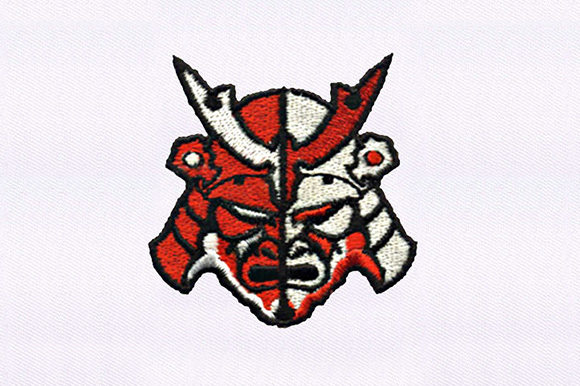
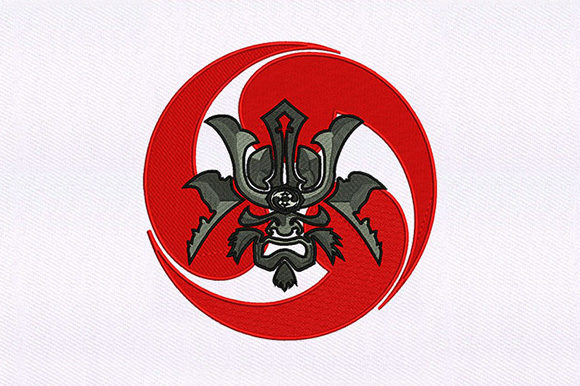
As an embroidery designer prepping for a weekend market, my first task is to sift through my library and judge which designs will truly stand out on the table. When I load the Ronin Samurai Mask embroidery file, my immediate impression is clear: this is a bold, graphic, and premium design. It carries a sense of historical weight and modern minimalism, making it far more than just a cute or rustic motif. This isn’t farmhouse; it’s fierce and elegant. That combination is a powerful starting point for creating handmade products that command attention.
Where This Samurai Mask Shines on the Sales Table
Visual impact is everything at a busy craft fair. Customers scan a booth in seconds. The Ronin Samurai Mask, with its strong, iconic lines, acts as a visual anchor. It doesn’t blend in. I envision it as a large focal design on a simple canvas tote bag or a crisp pillow cover—products that allow the design’s drama to fill the space. On a dark fabric, like a black market bag, with high-contrast thread, it would look exceptionally sharp. It also has the gravity to work beautifully as a standalone embroidered patch, appealing to customers looking for something unique to apply to their own gear.
For giftable items, think about small pouches or tea towels with the design placed centrally. While it feels premium, it’s not overly delicate, so it can handle the textured surface of a kitchen towel without losing its character. On an apron, positioned on the bib or pocket, it creates a statement piece that moves from craft fair to kitchen with style.
Practical Production: Turning the File into Sellable Products
This design’s strength comes from its graphic nature, which typically means cleaner lines and defined areas. However, the title “mask” implies possible detail in the facial structure. As a professional, my first step is always to test the design on scrap fabric. I need to check for any potential dense stitch areas in the detailing that might pucker on thinner materials like cotton for pouches. I’ll also review the stitch density and spacing on the file to ensure it embroiders cleanly on curved surfaces like caps, which can be tricky.
The provided embroidery file formats—DST, PES, JEF, etc.—cover most major machines, which is excellent for digital sellers and makers using different systems. But before batch production, I must confirm the hoop size requirement and commercial licensing terms, details not specified here. This is critical for scaling up. For a craft fair, I plan to create at least one real, physical mockup on a tote bag. This lets me feel the texture, judge the thread contrast against actual fabric colors, and see how it photographs. Online listings for Etsy sellers need crisp photos, and a graphic design like Ronin Samurai Mask should photograph very well, highlighting the handmade quality.
Careful-Use Notes for Consistent Quality
While this design feels bold, any tiny details within the mask could lose clarity if the design is scaled down too much for a small accent on a cap brim or a pocket. It’s likely best kept at a medium to large size to preserve its impact. Using the right stabilizer for the fabric texture—whether a textured towel or a smooth canvas—is non-negotiable to prevent distortion. For dark fabrics, I’ll choose thread colors that pop but also complement the design’s mood; a metallic silver or a stark white could be stunning. The design’s repeatability for batch production looks good because it’s not overly complex, but I’ll inspect my first few runs closely to ensure consistency across products.
Enhancing Booth Appeal and Customer Engagement
A Ronin Samurai Mask embroidered product adds immediate value and a story. It speaks to fans of Asian aesthetics, history buffs, and those seeking a minimalist but powerful decorative element. In a booth mix of softer designs, this piece creates a striking contrast, strengthening the overall display. It attracts a different customer, perhaps one looking for a more masculine or geometric gift. This diversity in my product line increases engagement.
For my brand as an embroidery business owner, consistently offering designs with this level of graphic strength builds a reputation for clean, impactful work. It shows I understand how embroidery can be both artistic and wearable. Placing a sample pillow cover or a boldly embroidered apron at the front of my table acts as a silent salesperson, drawing people in to see the rest of my handmade products.
Final Designer Checklist Before the Fair
- Stitch out the Ronin Samurai Mask on scrap fabric identical to my product materials.
- Compare thread color options on both light and dark fabrics to maximize contrast.
- Confirm the exact hoop size needed for my intended products (tote bags, pillow covers).
- Create one perfect, finished mockup—likely a tote bag—for booth display and photography.
- Verify all commercial embroidery and digital file license terms before selling any finished product.
- Plan a small batch of cohesive products (e.g., mask-themed tote, patch, and pouch) to offer variety.
In the end, the Ronin Samurai Mask embroidery design isn’ just another file; it’s a potential cornerstone for a craft fair table. Its bold, premium feel translates directly into perceived value, making it a compelling choice for tote bag designs, apron embroidery, and statement patches. With careful production checks and a focus on high-contrast, quality applications, this design can become a reliable seller that catches the eye and holds the attention of customers looking for something truly distinctive.