Mexican Skull: A Bold Embellishment for Craft Fair Success
As an embroidery designer preparing my lineup for a weekend handmade market, my first task is to review new designs not just for aesthetic appeal, but for their real-world performance. The Mexican Skull embroidery design lands in my digital queue with a title that immediately conjures a vivid, cultural, and festive image. This isn't a generic spooky ghost; it feels bold, decorative, and rich with character—perfect for a product that needs to stand out on a crowded craft fair table.
First Impression: Festive, Bold, and Full of Character
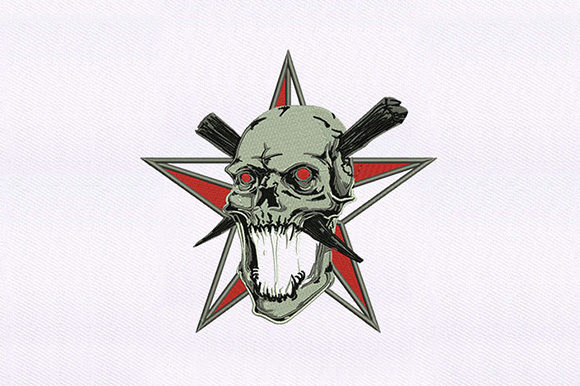
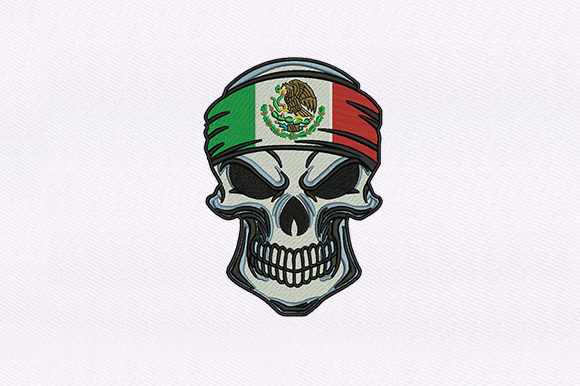
The name Mexican Skull suggests a design rooted in the vibrant and celebratory style of sugar skulls, often associated with Dia de los Muertos. While it’s categorized under Halloween, this design likely transcends a single season. Its appeal leans towards festive, decorative, and premium handmade quality. This is a design that tells a story, which is exactly what customers at craft fairs are looking for—an item with personality that they can’t find in a chain store.
Where the Mexican Skull Design Will Shine on Your Booth
Visualizing my display—tote bags, aprons, tea towels, caps, and pillow covers all arranged to catch the eye—I immediately see several strong applications for this embroidery file.
Tote bags and market bags are a prime canvas. The design’s bold nature makes it a fantastic focal point on a solid-color bag. It communicates style and artistry, increasing the perceived value of a simple cotton tote.
Aprons and tea towel embroidery offer another excellent fit, especially for kitchen linens with a rustic or modern eclectic vibe. A Mexican Skull embroidered on the corner of a tea towel or the chest of an apron turns a functional item into a decorative statement piece.
Embroidered patches are a huge trend. This design, if the details are clear, could be stunning as a standalone patch. Customers love unique patches for jackets, backpacks, and hats, and this offers a culturally rich alternative to typical motifs.
Pillow covers and small fabric pouches allow for a more decorative, giftable application. A skull embroidered on a pillow or a pouch creates a distinctive home decor or accessory item that feels handmade and special.
Caps present a more technical challenge due to the curved surface, but if the design is adaptable, a smaller version on the front of a cap could be a unique seller for those seeking standout apparel.
Practical Production: Turning the Design Into Sellable Products
The product description lists a wide range of embroidery file formats, including PES, JEF, DST, and others. This is excellent for crafters using various machines. Before any production, I must check the specific files for the crucial details that affect my workflow.
- Hoop Size: I need to open the file in my software to see the actual dimensions. Is this a large, full-hoop design for tote bags, or a smaller accent suitable for towel corners? This determines my product plan.
- Stitch Density & Details: Skull designs often have intricate patterns and filigree. I’ll examine the stitch density in the detailed areas. High density on textured fabrics like tea towels may require a sturdy stabilizer to prevent puckering.
- Thread Colors: The color palette will dictate its mood. A vibrant, multi-color scheme will feel festive and bold, while a monochrome version might feel more elegant or rustic. This influences my fabric color choices—contrast is key for visibility.
Selling Power: Customer Attention and Product Value
At a craft fair, products compete for a fleeting glance. The Mexican Skull design, by its nature, is an attention-grabber. It’s visually complex and interesting, encouraging customers to stop and look closer. This engagement is the first step to a sale.
On online listings for Etsy sellers or other digital shops, the design’s complexity can photograph beautifully, creating a compelling printable mockup or photo of a finished product that stands out in search results. It suggests a higher level of craftsmanship than a simple text-based design, potentially increasing the item's price point.
For batch production, I consider its repeatability. If the design is moderately sized and doesn’t consume excessive thread or time, it can be efficiently run on multiple items like sets of tea towels or tote bags, creating a cohesive line for my booth.
Careful Use Notes for a Flawless Finish
Experience teaches me to anticipate challenges. With a design like Mexican Skull, I’d run several tests before committing to my final products.
- Small Accent vs. Large Focal: I’ll test stitch it at different sizes. Tiny details or small lettering within the design might lose clarity if shrunk too much for a patch or cap. It may be best as a medium-to-large focal point.
- Fabric and Texture: Dark fabric requires excellent thread contrast. Textured surfaces like terrycloth towels need proper stabilization to hold fine details. I’ll test on scrap fabric that matches my intended products.
- Commercial Licensing: Before selling any finished product, I confirm that my purchase of this digital embroidery file includes commercial use rights. This is a non-negotiable step for any small shop product.
The Embroidery Designer’s Final Checklist
My process for integrating Mexican Skull into my craft fair product line follows a strict, practical routine to ensure quality and sellability.
- Open the embroidery file in my software to confirm hoop size, stitch count, and color sequence.
- Stitch a test run on scrap fabric similar to my final product material (e.g., cotton canvas for totes, linen for towels).
- Evaluate thread contrast against various background fabric colors I plan to use.
- Inspect the stitch-out for any areas of excessive density that might cause fabric distortion, adjusting stabilizer type as needed.
- Create at least one real, physical mockup—an actual embroidered tote bag or pillow cover—to judge its in-person impact and handmade quality.
- Photograph the mockup in good light to assess how it will look in my Etsy listings and booth display photos.
- Plan my booth display: Where will this item be placed? Perhaps grouped with other culturally inspired or festive items to create a thematic section.
Why This Design Adds Strength to Your Handmade Business
Ultimately, the Mexican Skull machine embroidery design represents more than just a pattern. It’s a design asset that can enhance your brand’s diversity and appeal. It offers a product that feels thoughtful and artisanal, which is the core of what sells at handmade markets. It caters to customers looking for something beyond the ordinary—a decorative, festive, and bold piece of embroidery that tells a story. By carefully producing it on the right products, checking its technical specs, and presenting it with clarity in your display, you turn a digital file into a tangible, valuable craft fair product that engages buyers and boosts your booth’s success.