Mandala Conjoined Quilting Embroidery Design Review
As an embroidery designer preparing for a weekend craft fair, every new file gets a practical review. I look at it not just as a digital pattern, but as a future physical product on my table. Today, I’m evaluating the Mandala - Conjoined Quilting embroidery design. The goal is to figure out where it shines in a booth filled with tote bags, aprons, tea towels, patches, and pillow covers.
First Impression: Elegant and Intricately Decorative
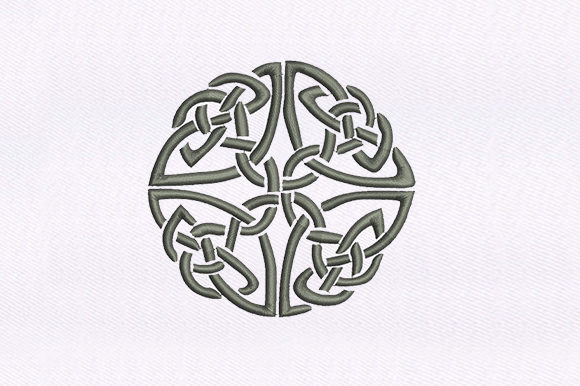
The name Mandala - Conjoined Quilting sets a specific expectation. It’s not cute or funny; it’s decorative, intricate, and has a premium feel. The ‘conjoined quilting’ aspect suggests a pattern that can connect, which is fantastic for creating larger, unique pieces or repeating motifs on items like table runners or quilt blocks. As a standalone design, it presents as a stunning, detailed focal point. This elegance is a strong selling point for customers looking for something special, not just generic.
Where This Design Will Stand Out on the Sales Table
In a crowded craft fair, your products need to catch eyes from a few feet away. Mandala - Conjoined Quilting has the detail to do that, but its success depends heavily on application.
Best Products for High Visibility
Tote bags and market bags: A larger, central placement of this design on a natural canvas or linen tote creates an upscale, handmade product. The intricacy signals quality. Pillow covers: This is a perfect application. The design becomes a beautiful decorative accent for a living room or bedroom, enhancing perceived value. Aprons and tea towels: For kitchen textiles, it leans more towards elegant farmhouse or modern rustic style. On a high-quality linen tea towel, it elevates a simple item into a giftable piece. Embroidered patches: This requires careful testing. The tiny details might lose clarity if the patch is too small, but a larger, well-executed patch could be a stunning standalone sale.
Products to Approach with Caution
Caps: The curved surface and typically smaller embroidery area on caps can challenge intricate designs. Stitch density and small elements may not render cleanly. Small pouches and minimal accents: If scaled down significantly to fit a small pouch, the intricate ‘conjoined quilting’ details could become a muddy blob. It’s a focal design, not an accent.
Practical Production Notes for the Maker
Turning a digital embroidery file into a sellable handmade product requires forethought. Here’s my on-the-ground assessment for Mandala - Conjoined Quilting.
Stitch Density, Fabric, and Stabilizer
The description calls it ‘intricate.’ Intricate often means higher stitch density. This impacts production time and material choices. You must test this design on scrap fabric first. Use the stabilizer appropriate for your final fabric—a dense design on a textured tea towel needs strong support. Check thread contrast carefully; this design on dark fabric might require a lighter, bright thread palette to maintain its intricate visibility.
Batch Production and Consistency
The fact that it can be repeated to make a unique pattern is a boon for batch work. You could create a cohesive line of products—tote bags, pillow covers, and aprons—all featuring a repeated or conjoined version of the pattern, strengthening your booth’s brand consistency. However, repeating a dense design increases total stitching time per item, affecting your pricing and production schedule for a fair.
Photography and Online Sales
For your Etsy listings or printable mockups, this design will photograph well if executed cleanly. The detail provides visual interest that can attract clicks. Ensure your product photos show the embroidery up close to highlight the handmade quality, and also on the product in a lifestyle setting to show its decorative appeal.
Critical Steps Before Your Craft Fair Booth
My final advice, as someone who has learned through trial at many fairs, involves these non-negotiable steps.
- Create at least one real physical mockup. Don’t rely on the digital preview. Hoop your intended product fabric—a pillow cover or tote panel—and stitch it out. This reveals true thread consumption, any issues with tiny details, and the final aesthetic.
- Compare fabric colors. Test the design on a light and a mid-toned fabric. See how the thread colors interact. A design like this can look dramatically different on cream versus slate grey fabric.
- Confirm commercial licensing. The description notes it’s a machine embroidery design. Before selling any finished product, verify the license terms included with the file allow for commercial use of your handmade products. This is essential for any small shop product.
- Consider booth display strength. Which product mockup looked best? Use that as your sample at the fair. Hang that intricately embroidered pillow cover prominently. Let customers touch and see the quality of the stitches on the tote bag. This design’s elegance is a tactile selling point.
Final Judgment for the Creative Entrepreneur
Mandala - Conjoined Quilting is a design with high potential for craft fair success on the right products. It caters to a customer seeking decorative, premium handmade items. Its intricacy increases perceived value, which can support a higher price point. However, its density demands careful production testing and limits its use on small or curved items. For the embroidery business owner focusing on home decor and upscale accessories, this file is a strong candidate. For the maker specializing in quick, small accent items, it may not be the most practical choice. Always match your design to your production capacity and target customer. Stitch it out, see it in person, and let that beautiful, intricate pattern speak for itself on your sales table.