Beyond the Box: The Practical Charm of Vessel Bluework
When a new embroidery design lands in my library, I don’t just look at the preview. I think about how it will live in the real world—on fabric, under a needle, and ultimately, in the hands of a customer or on a gift. That’s the lens I’m using to evaluate Speciality Vessel Bluework. It’s a design that, at first glance, feels classic and serene, but its true value is revealed when you start planning the project.
A First Impression of Calm & Crafted Utility
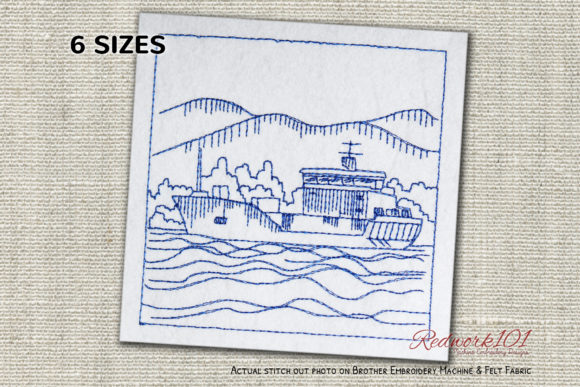
The Speciality Vessel Bluework design immediately strikes a mood of quiet, reliable craftsmanship. The vessel itself, central and clear, carries a personality that’s both decorative and functional. It doesn’t scream for attention; it earns it through clean lines and a thoughtful layout. This isn’t a loud, flashy piece—it’s something you’d want to live with daily, like on a well-used apron or a cherished pillow cover. The detail level is balanced; it has character without being overly dense, which tells me it will stitch out cleanly without becoming a swamp of thread.
The Natural Project Fit: Where This Design Belongs
I can already picture this design on a natural linen tea towel in a kitchen, or as a subtle accent on the corner of a baby’s blanket. Its Transportation theme—that sturdy vessel—suggests journeys, carrying, and home, making it wonderfully versatile. For my own work, I’m considering it for a custom tote bag. The idea is a bag for a book lover, with this vessel embroidered on the side, suggesting “carrying stories.” It feels right. For small business owners, this design could anchor a line of cozy, rustic-look products: apron sets for gardeners, pillow covers for cabin decor, or even personalized caps for a sailing club. The bluework style, often relying on a single color or tone, gives it a timeless, handmade presentation that elevates simple items.
Performance in Real-Life Embroidery Situations
Moving from idea to stitch, here’s how I expect Speciality Vessel Bluework to perform. On custom apparel like sweatshirts or t-shirts, its clarity will be key. On medium-weight fabrics with proper stabilizer, it should hold its shape beautifully. For patches, it’s a strong contender—the defined outlines and central motif would translate well to a standalone embroidered patch, perfect for embellishing denim jackets or bags.
Its real strength might be in home goods and gifts. Embroidered onto a pillow cover or a kitchen towel, it becomes a permanent decorative touch, increasing the product’s value and giftability. For a baby item, like a nursery wall hanging or a lightweight blanket, it offers a gentle, artistic motif without being overwhelming. In a boutique setting or as part of an Etsy listing, this kind of design conveys a sense of care and artistry, building customer trust. It’s not generic; it feels specific and crafted.
Careful Application: Where to Pay Attention
Every design has its considerations. For Speciality Vessel Bluework, the optional outer box mentioned in the description is a crucial note. That box being a different color in most designs means you have a design choice right away: embrace the full framed look or skip that color for a more minimalist vessel. This directly affects your thread color planning and the final visual weight.
I’d be cautious using this on very small hoop sizes. Compressing those lines might lose clarity. On textured or stretchy fabrics, like certain knits for caps, you’ll need excellent stabilizer to keep the clean lines intact. Dark fabric backgrounds will require careful thread color selection to maintain contrast and visibility—test that first. On curved surfaces like caps, the central, somewhat symmetrical design should work, but always check the preview on your cap template. Also, for products destined for frequent washing, like aprons or tea towels, ensure your stitch density is appropriate and you’re using quality thread so it stands up to wear.
Impact on Appeal, Value, and Professionalism
From a business and aesthetic perspective, this design does good work. Its visual appeal is understated but confident, which can enhance brand consistency for a maker focusing on classic, handmade goods. For a creative entrepreneur, it’s a reliable digital embroidery file asset that can be adapted across products, from printable mockups to physical holiday gifts. It feels professional because it’s coherent and well-structured; it won’t look amateurish when stitched out. That directly affects buyer engagement—customers recognize and appreciate clean, intentional craft.
Practical Designer Notes Before You Hoop
Before I run this for any client project or my own shop merchandise, my checklist is straightforward. First, always test on scrap fabric of your intended type. This reveals how the satin stitches or fill stitches behave with your chosen stabilizer. Check thread color contrast by stitching a small section on both light and dark scraps. Review the stitch density in your software; is it suitable for your fabric weight?
Confirm the licensing terms for this design. Can it be used for commercial embroidery projects, or is it for personal use only? This is essential for Etsy sellers and apparel decorators selling finished products. Inspect the small details, like any potential tiny corners or lines, to ensure they’ll be clear on your final item. And a smart tip: view the design in a black and white mockup. This strips away color and lets you focus purely on form and composition, which is especially helpful for the bluework style.
In the end, Speciality Vessel Bluework isn’t just a file; it’s a potential centerpiece for a thoughtful, well-made product. It invites you to consider not just the stitch, but the story it helps tell on the finished piece. Whether you’re personalizing a gift or stocking your craft business shelves, it offers a blend of serenity and substance that, with careful application, translates beautifully from screen to thread to product.