Teddy Bear Holding Heart: A Sketch Design Review
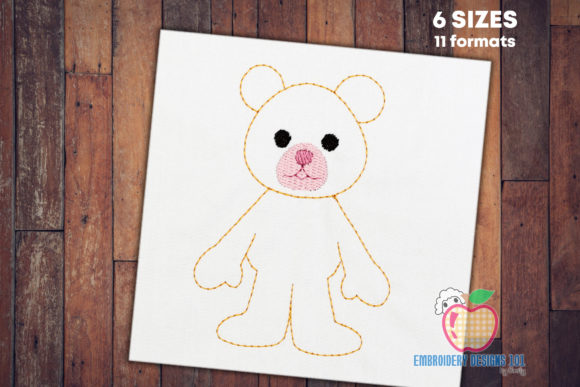
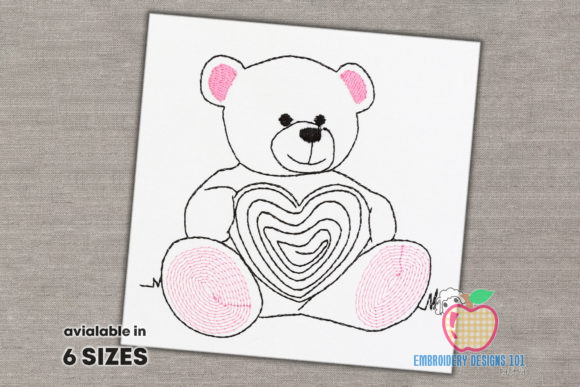
When I first pulled up this Teddy Bear Holding Heart Sketch design, I smiled. It’s a classic, gentle image—a teddy bear clutching a heart, rendered in a sketch-style outline. It doesn’t shout; it whispers a message of affection. As a designer who uses embroidery files for real client projects and my own shop merchandise, my first thought wasn’t about the technical specs. It was about the mood it creates: soft, sentimental, and undeniably sweet. This isn’t a high-detail, hyper-realistic wild animal portrait. It’s a charming character, a visual personality that feels warm and approachable.
Where This Sketch Design Finds Its Home
This design naturally belongs to projects where a touch of heartfelt charm is the goal. I immediately pictured it on a baby’s blanket or a set of nursery pillow covers. The sketch style, likely using running stitches or lighter fill stitches given the description, lends itself to a softer, less formal look than a fully saturated satin stitch design. It would be perfect for a personalized gift—think a child’s name embroidered beneath the bear on a tote bag. For small business owners, especially Etsy sellers or craft fair vendors, this Teddy Bear Holding Heart Sketch is a ready-made asset for holiday gifts, wedding guest presents, or simple boutique-branded kitchen towels.
Let’s walk through a real scenario. I’m preparing a custom embroidered sweatshirt for a client who wants a gentle, non-gender-specific design for a baby gift. I need a design that won’t feel bulky or stiff on the garment, and that will stitch out cleanly without excessive thread consumption. The note that these are “not 100% filled” is a practical advantage here. On a sweatshirt’s textured fabric, a less dense stitch area means better flexibility and a softer hand-feel after embroidery. It also reduces the risk of puckering, which is crucial for maintaining a professional finish on apparel.
Visual Appeal and Customer Connection
From a marketing and customer trust perspective, clarity is key. The open, sketch-like nature of this design means the stitching should be clear and legible. On light fabric with a good thread color contrast, that bear outline will pop with a handmade, artistic quality. That presentation builds value—it looks intentional and crafted, not just stamped on. For creative entrepreneurs selling finished products, this enhances brand consistency if your shop specializes in softer, whimsical themes. The recognizability of a teddy bear with a heart is instant, which boosts buyer engagement. People know what it signifies: love, comfort, a gift.
Performance on Actual Products: A Practical Walkthrough
Thinking beyond the sweatshirt, this embroidery design has wide applicability. On a sturdy canvas tote bag, it would be a darling, lasting detail. As an embroidered patch, its outline style would make it easy to appliqué or attach. For baby clothes, like a romper or a hat, its size adaptability (coming in multiple sizes, as noted) is vital. You can scale it down for a tiny corner of a bib without losing the core shape. On a cap’s curved surface, a less dense design often handles better, distorting less than a solid fill.
However, this is where a professional’s practical judgment comes in. The sketch style, while versatile, requires careful application in certain situations. On very dark fabric, you must be meticulous with your thread color choice. A pale thread might not provide enough contrast for the delicate lines to stand out. On stretchy fabric or thin fabric like a lightweight t-shirt, stabilizer choice becomes paramount—even a lighter stitch design needs proper support to prevent warping. The small details, like the bear’s grasp on the heart or the sketch lines themselves, need to be inspected in a test run. On a very small hoop size, those fine lines could merge if the stitch settings aren’t optimal.
Spaces Where This Design Should Be Used Carefully
I would approach layered garments, like a quilted jacket, with caution. The loft of the fabric might obscure the lighter stitching. For products destined for frequent washing, like kitchen towels or aprons, the longevity of the design depends on your thread quality and the integrity of the stitch path. A robust running stitch outline should hold up well, but it’s always worth a durability test on scrap fabric first. Also, if you are an apparel decorator working on commercial embroidery projects, the speed of stitching this “Quick Stitch” design is a benefit, but always confirm the licensing terms before selling the finished items to ensure your use is covered.
Essential Designer Notes Before You Hoop Your Fabric
Before committing this Teddy Bear Holding Heart Sketch to a final project, here is my standard pre-flight checklist. I run these steps for every design, and they are especially relevant for a character-based sketch.
- Always test on scrap fabric first. Use the same material and stabilizer you plan for the final product. This reveals how the stitch density behaves and whether any small details need adjustment.
- Check thread color contrast against your background. Do this in both digital black and white mockups and a physical thread pull. Visual appeal hinges on this.
- Review the available sizes. Match the hoop size to your product. A large bear on a pillow cover is lovely; the same size on a baby cap might overwhelm it.
- Inspect the design in your machine embroidery software. Look at the stitch path for the sketch lines. Are they clean? Do they overlap in a way that might cause thread breaks?
- Compare how it looks conceptually on light and dark backgrounds. This helps you plan product lines—maybe it’s perfect for light nursery decor but needs a bold thread for a dark denim patch.
- Use proper stabilizer. Even with lighter fills, this is non-negotiable for a professional finish.
- Clarify the license. If you are a digital product seller creating printable mockups or a craft business selling finished merchandise, confirm whether this embroidery file is intended for personal and commercial use. Never assume.
In the end, this Teddy Bear Holding Heart Sketch design is a flexible, emotive tool for makers. It’s not a complicated technical challenge; it’s a straightforward design whose value lies in its application. When stitched thoughtfully onto the right product—a gift tote, a cozy pillow, a baby’s first sweatshirt—it creates a moment of connection. That’s the real power of a good machine embroidery design: it helps you, the embroiderer and entrepreneur, tell a simple, beautiful story without a single word.