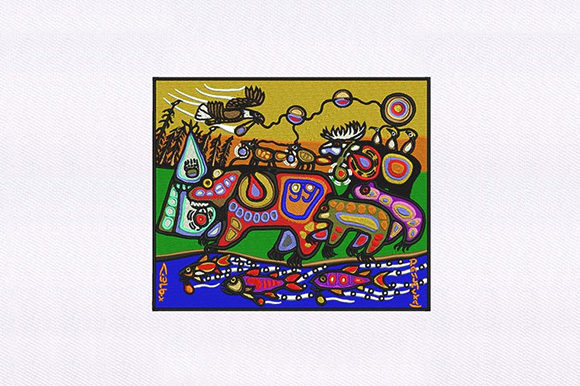
Native Nature Art: A Versatile Embroidery Review
As a professional embroidery designer, my first step with any new digital embroidery file is to evaluate it for real-world application. When considering the Native Nature Art design bundle from Creative Fabrica for a recent customer order, I approached it with a critical, practical eye. This review is based on that process, imagining its use on tangible products like tote bags, sweatshirts, and handmade gifts.
First Impression and Visual Mood
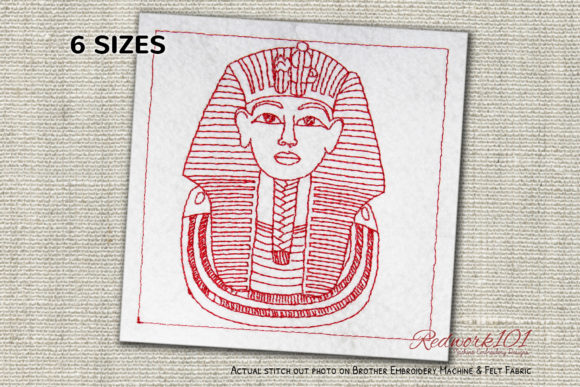
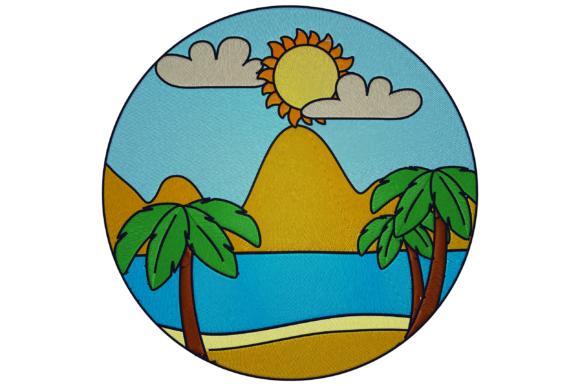
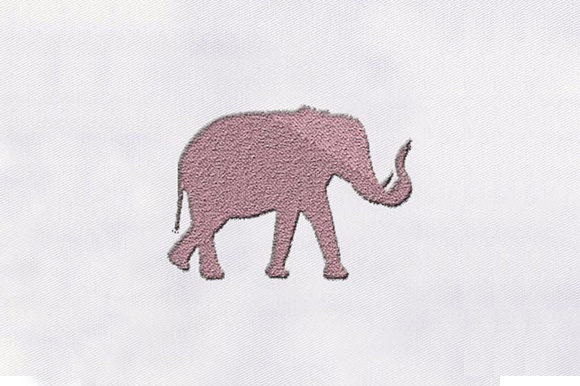
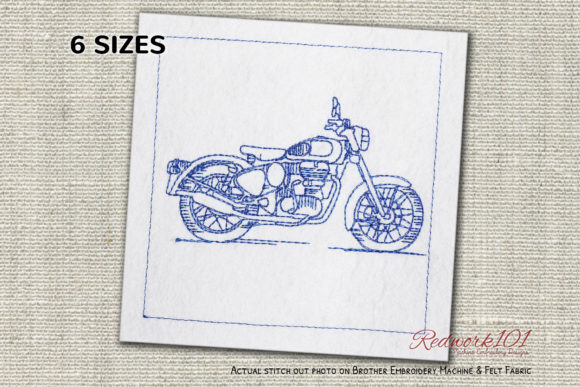
The Native Nature Art collection immediately presents a distinct aesthetic. The designs carry a strong, organic personality with bold forms and intricate details that suggest a handcrafted feel. This isn't a minimalist, modern set; it's decorative and textured, aiming for visual impact. For an embroidery designer, this translates to projects where the embroidery itself is the central feature, not just a subtle accent. It naturally fits items like statement tote bags, featured pillow covers, or the focal point on a baby blanket or apron.
Project Fit for Commercial and Handmade Use
In my workflow, I consider how a design performs across different mediums. Native Nature Art seems versatile for several applications. For custom apparel like sweatshirts or caps, the detailed nature would require careful consideration of fabric stretch and stabilizer choice. For home decor items like pillow covers or kitchen towels, the designs could add significant value and handmade appeal. They also lend themselves well to creating embroidered patches, which could be sold separately or applied to various products. For Etsy sellers and craft fair vendors, such a distinctive set can help build a consistent visual brand across listings.
Practical Performance in Real Embroidery Work
The theoretical appeal must meet the reality of the sewing machine. The provided embroidery file formats—including PES, JEF, DST, and others—cover most major home and commercial machines, which is a crucial starting point. However, the real test is in the stitching.
Key considerations for a design with this level of detail include:
- Small Details and Stitch Density: Areas with tiny elements or dense fill stitch sections need a robust stabilizer, especially on stretchy fabrics like for sweatshirts or curved surfaces like caps.
- Thread Color Contrast: On dark fabrics, the color palette suggested by the design would need to be tested; lighter, brighter threads might be necessary to maintain visibility.
- Frequent Washability: For items like baby blankets or kitchen towels that undergo regular washing, a secure, dense stitch construction is vital to prevent premature fraying.
Before committing to a customer’s item, I always advise a strict testing protocol on scrap fabric that mimics the final product’s texture and color.
Enhancing Product Value and Customer Trust
Using a well-executed embroidery file like Native Nature Art can directly affect your product's perceived value. A clean, detailed embroidered finish on a tote bag or apron elevates it from a simple handmade item to a premium gift. It builds buyer trust through quality craftsmanship. For product photography and printable mockups, a design with strong visual appeal makes for engaging listing images that can drive customer engagement. The “giftability” of an item is often tied to its unique artistry, and this collection provides that distinct character.
Essential Embroidery Notes Before You Start
Based on a professional approach, here are the steps I take before using any new design bundle for commercial or sale purposes.
- Check the Product Details Page: Always confirm the specific details on the Creative Fabrica embroidery product page. While file formats are listed, information like approximate hoop size, stitch count, or any included applique design elements should be verified there if provided. Do not assume compatibility for your specific project hoop.
- Run a Test Stitch: Embroider the design on a scrap of your target fabric (and a contrasting dark/light scrap if applicable). Inspect small details after stitching, reviewing stitch density and any potential thread breaks in intricate areas.
- Plan Your Stabilizer: The detailed nature likely requires a firm stabilizer, especially for textured or stretchy fabrics. For caps or items with curved seams, a specialized cap stabilizer is often necessary.
- Review Licensing for Finished Products: Before selling finished items, ensure you understand the licensing terms for the digital embroidery file on Creative Fabrica. This is a fundamental step for Etsy sellers, small business owners, and commercial embroidery operations.
Final Thoughts on Native Nature Art for Your Projects
From the perspective of an embroidery designer looking at real project use, Native Nature Art offers a compelling decorative option. Its strength lies in its bold, organic aesthetic suitable for products where the embroidery is meant to be a standout feature. It appears to have broad machine compatibility through its multiple embroidery file formats. However, its success hinges entirely on practical testing. The potential for high visual appeal on finished products like tote bags, pillow covers, or boutique merchandise is significant, but must be paired with meticulous preparation regarding stabilizer, fabric choice, and color contrast. For crafters and entrepreneurs seeking to add a unique, nature-inspired art to their handmade lineup, this collection is worth a detailed evaluation. Your next step should be downloading the files and running that critical test stitch on your chosen fabric to see how it translates from digital design assets to a tangible, valuable finished product.