Horse Head Keyfob: A Designer's Hands-On Review
When a new embroidery design file lands in my library, my first instinct isn't to just admire it on screen. I immediately start picturing it stitched out—how will the threads lay, what will the final texture feel like, and where would this design truly shine as a finished product? That's the lens I'm using to look at this Horse Head ITH Keyfob design. Let's talk about what this means for your next project.
First Impression: More Than Just a Wild Animal Graphic
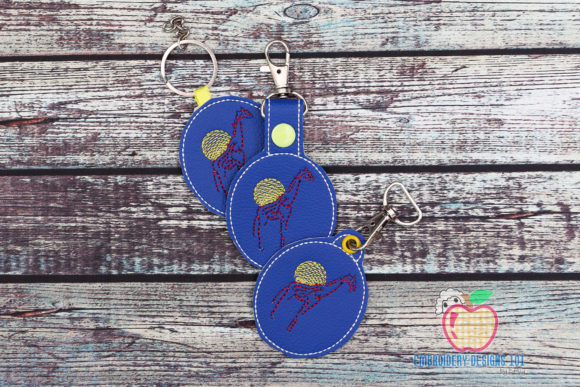
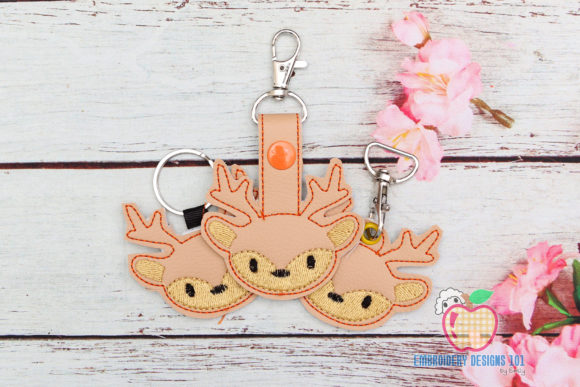
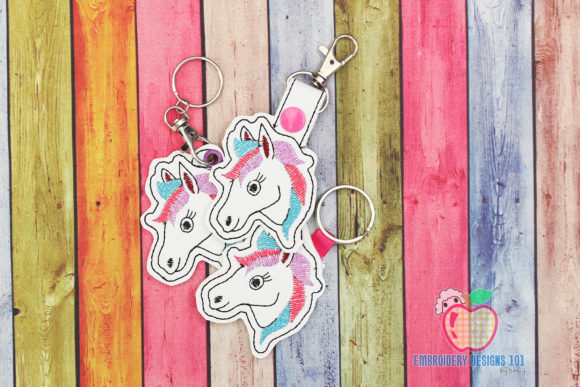
The immediate mood here is classic and strong. This isn't a cartoonish sketch; it's a solid, recognizable silhouette with a clear sense of personality. The shape feels balanced and the layout, with those three distinct versions—Snap Tab, Eyelet, and Ribbon—speaks to practical thinking from the designer. You're not getting a single idea; you're getting a toolkit. This tells me the design was created for real-world use, not just as a digital asset. It naturally belongs to projects that need a touch of rustic elegance or timeless personalization.
Where This Horse Head Keyfob Finds Its True Home
Imagine you're preparing a batch of custom tote bags for a boutique that caters to equestrian enthusiasts. Or perhaps you're adding a unique touch to a set of linen pillow covers for a wedding gift where the couple loves horseback riding. This design leaps off the screen in those scenarios. Its clarity makes it perfect for custom apparel like denim jackets or heavyweight sweatshirts, where a bold graphic holds up well against the fabric texture.
For small business merchandise or Etsy listings, the keyfob format itself is a ready-made product. But don't stop there. Think of it as an embroidered patch applied to a baby blanket for a nursery theme, or as a centered motif on a simple apron. The design's density and defined edges mean it will maintain its visual authority, boosting the perceived value of the handmade product. Customers react to clean, crisp stitching—it builds trust in the craftsmanship.
A Real-Life Scenario: Craft Fair Prep with Versatility
Let's say I'm stocking my table at a local craft fair. I know my audience appreciates both utility and beauty. I could use the 5x7 hoop and stitch out all three keyfob versions in a coordinated thread color batch. The Snap Tab versions become sturdy, everyday keychains. The Eyelet styles, perhaps with a leather cord, feel slightly more refined. The Ribbon options are perfect for quick, colorful holiday gifts or personalized bag tags. One design file, three distinct products to display. That's efficient design use that also creates a cohesive brand presentation for my small shop.
Performance Considerations: Where to Use with Care
For a design with this much visual presence, stitch density is key. On thin fabrics like lightweight tees or certain baby clothes, you'll need to be meticulous with your stabilizer choice to prevent puckering. On dark fabric, the choice of thread colors will dramatically affect the stitching clarity. Test it. The defined shape is fantastic, but those clean lines depend on precise embroidery.
While it's noted as 4x4 hoop friendly, applying it to highly textured fabrics like some blankets, or on curved surfaces like caps, requires extra attention to hooping and stabilization to keep that handsome profile undistorted. This isn't a design I'd automatically run on a stretchy knit without a very solid stabilizer foundation. Its strength is its crisp outline, and that needs a stable foundation.
The Practical Impact on Your Craft Business
Using a design that stitches out reliably and looks professional directly affects customer engagement. A well-executed Horse Head keyfob on a personalized gift feels substantial and thoughtful. For an Etsy seller, having clear photos of the finished keyfob—maybe against a rustic wood background or on a simple printed mockup—enhances the listing immensely. It shows you understand the end product, not just the digital file.
This design has a giftability factor and a recognition factor. It's not an obscure abstract piece; it's a classic symbol many people connect with. That makes it easier to market and sell as a finished product. It lends a sense of professionalism to your work because the final result looks intentional and complete.
Designer Notes Before You Hoop It Up
My routine with any new file like this is practical. First, I stitch it out on scrap fabric of the type I intend to use—maybe a piece of cotton canvas for a tote or a twill for a patch. I check the thread color contrast against both light and dark backgrounds. I inspect the small details, like the areas around the eye or the mane, to ensure my machine handles the stitch density well.
I confirm my hoop size is correct and that my stabilizer is appropriate. Crucially, I review the licensing terms of the design file before I ever plan to sell the finished items. Can I use it for commercial embroidery projects? That information is essential for digital product sellers and creative entrepreneurs. It's not provided here, so you must check that with the source.
Finally, I consider how it fits into a collection. Does this Horse Head ITH Keyfob complement other wild animals designs I offer? Could it be part of a themed set for my shop? Thinking like this turns a single embroidery file into a strategic design asset.
Final Thoughts: A Design Built for Making
This Horse Head ITH Keyfob design impresses me because its value is clear in the making. It provides options, it respects standard hoop sizes, and its aesthetic is straightforwardly appealing. It doesn't promise impossible detail; it promises a solid, usable embroidered object. Whether you're a hobbyist making a gift for a friend or a business owner building your next product line, this design file feels like a reliable partner in the process. Your job is to bring it to life with good technique and a clear vision for its final home.