Evaluating the Cross with Flower Embroidery Design
Whenever I’m considering a new embroidery design for my work—whether for a client’s custom apparel or for my own small shop products—my first step is to look beyond the preview image and think about how it will actually stitch out. Today, I’m looking at the Cross with Flower machine embroidery design. This isn’t a basic product description; it’s a practical evaluation from a designer’s perspective, thinking through its real-world application.
The First Impression: Softness and Symbolism
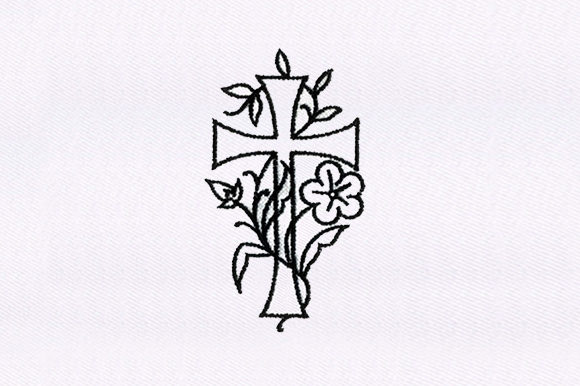
Right away, the Cross with Flower design strikes a particular mood. It’s not a stark, geometric symbol; the incorporation of the floral element adds a layer of gentle warmth. This blend of the religious motif with a natural, decorative accent creates a visual personality that feels both meaningful and approachable. The layout suggests a balanced, centered focus, which is excellent for projects where the design is the star. The detail level appears thoughtful—not overly dense, but with enough definition to give the flower and cross their own character. This isn’t a design that shouts; it feels more like a quiet, personal statement.
In my mind, I’m already picturing it on a personalized gift: a simple linen pillow cover for a wedding gift, or the centerpiece on a baby’s baptism blanket. It naturally belongs to projects where you want to convey care and significance without being overpowering.
Real-World Performance: Where This Design Shines
Let’s walk through a real scenario. Imagine I’m preparing a batch of embroidered tote bags for a local boutique. I need designs that stitch cleanly, look professional, and add value to the final product. How would Cross with Flower perform?
On a canvas tote bag, the design would likely stitch out with good clarity. The provided file formats—including DST, PES, JEF, and others—cover most major machines, so technical compatibility is broad. This is crucial for embroidery designers and craft businesses who use different equipment. For apparel decorators, this design could be a beautiful addition to the corner of a sweatshirt or a subtle element on a custom apron. On a tea towel or a pillow cover, it becomes a decorative accent that elevates a simple homemade item into a handmade product with intent.
For Etsy sellers and creative entrepreneurs, this kind of design works well in printable mockups for digital product listings. Its clear, recognizable shape would show well in a preview, helping potential buyers visualize it on their own projects. As a commercial embroidery asset, it’s versatile enough for small shop merchandise, craft fair products, or boutique branding items like uniform patches.
Considerations for Stitching and Placement
While the design’s mood is soft, its successful execution depends on practical choices. Here’s where I’d advise some careful thought.
- Fabric Choice: On highly textured fabrics like some blankets, or on thin, stretchy fabrics like certain t-shirts, the finer details might lose definition. A good, appropriate stabilizer is non-negotiable here.
- Size and Scale: Without a specified hoop size in the product details, it’s essential to check the actual design dimensions in your software before hooping. A design with both linear elements (the cross) and filled areas (the flower) needs adequate space to stitch clearly. I wouldn’t automatically try to cram it into a very small hoop for a cap without testing first—those curved surfaces and detailed corners can be tricky.
- Color and Contrast: On dark fabric, thread color choice becomes critical. A white or light-colored satin stitch for the cross against a dark background will pop, but you’d want to test the fill stitch areas of the flower to ensure they don’t look muddy. Conversely, on light fabrics, a darker thread scheme can create a striking, elegant look.
How This Design Adds Value to Your Project
From a business and creative perspective, using a well-executed design like Cross with Flower affects more than just aesthetics.
It enhances the visual appeal and perceived value of your finished product. A clean, thoughtful embroidery design on a tote bag or sweatshirt increases its giftability and makes it feel more like a professional, crafted item rather than a generic one. For customers, this builds trust and engagement; they recognize the care put into the item.
For those selling personalized gifts or handmade products, this design offers brand consistency if your shop focuses on meaningful, symbolic, or serene items. It’s a design that people connect with on a personal level, which is a powerful driver for sales in niches like nursery decor, holiday gifts, or commemorative items.
A Note on Practical Testing for Designers
Before I ever put a design like this into production for client work or my shop, my process is always the same. I recommend this to every fellow maker:
- Stitch it out on scrap fabric first. Use the same material you intend for the final project. This reveals everything: actual stitch density, how small details like the flower petals render, and whether any thread color changes are needed.
- Check it in both light and dark fabric mockups in your software. Seeing it in black and white can help judge contrast and form separate from color.
- Review the specific file you’ll use. While the product lists many formats (ART, CND, EXP, VIP, etc.), open your file to confirm the stitch count and dimensions for your specific machine and hoop.
- Always confirm the licensing terms for the digital embroidery file. This is paramount if you plan to use it for commercial embroidery projects or sell the finished products. Don’t assume; check.
The Final Take: A Design with Clear Purpose
The Cross with Flower embroidery design, from my point of view as a designer reviewing it for real use, is a strong candidate for projects where mood and meaning matter. It avoids being overly complex, which makes it reliable for stitching, yet it carries enough visual personality to stand out. It would fit beautifully into a line of products for a craft business focusing on faith-based items, comforting gifts, or elegant home decor.
Its performance on final products—from baby clothes to patches to pillow covers—will hinge on those practical embroidery decisions we all make: fabric, stabilizer, size, and thread. But with that attention to detail, this design can stitch out into a clean, professional, and deeply appealing element that adds real value to your work. For embroidery designers, small business owners, and makers looking for a design that blends symbolism with a touch of softness, this one warrants a close, practical look.