A Stitched Garden: Reviewing the Succulent Juice Can Design
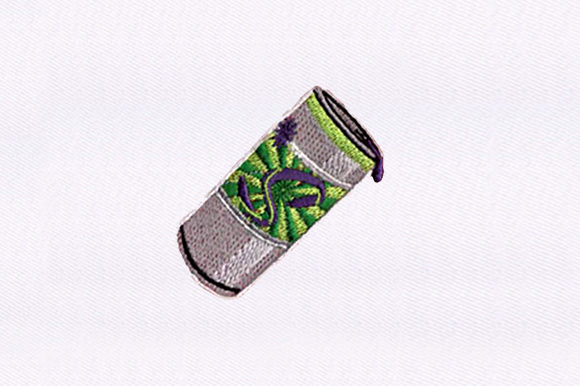
As an embroidery designer who works daily with small shops and crafters, my process always begins with a test. Before any design becomes a product in a personalized gift shop, I need to see it come to life in thread. Today, I'm reviewing the Succulent Juice Can Design, imagining it as the centerpiece of a meaningful, handmade gift.
First Impression: Where Charm Meets Craft
Opening this machine embroidery design, the immediate mood is a blend of playful and elegant. The concept itself—succulents arranged in a juice can—carries a delightful whimsy. It feels modern, yet handmade, tapping into that sweet spot between contemporary style and craft tradition. The detail level suggests a charming illustration, perfect for creating an emotional connection. It isn't overly fussy; it’s a scene that tells a small, lovely story. This emotional appeal is its greatest strength for personalized gifts. It feels fresh, a little romantic, and wonderfully suited for someone looking for a gift that's not just pretty, but has personality.
The Garden of Applications: Where This Design Flourishes
This is where the practical magic happens. I envision this embroidery file stitched onto a baby blanket or nursery item, bringing a gentle, natural theme to a little one's space. For wedding gifts, a pillow cover or a custom tote bag embroidered with this design could symbolize growing love in a new home—a beautiful keepsake.
It’s equally perfect for everyday handmade products that elevate a routine: a kitchen towel or apron with this stitched garden adds a smile to daily chores. For a family keepsake, imagine it on a throw blanket, cherished for years. From an Etsy seller’s perspective, this design is versatile. It can anchor listings for baby embroidery, wedding gift accessories, personalized pillow covers, and craft fair products. It even serves as a wonderful visual for custom order previews and printable mockups, helping customers visualize their unique gift.
Navigating the Stitching Terrain: Areas for Careful Hooping
Every design has its terrain. With its illustrative style, parts of the Succulent Juice Can Design will require mindful execution. Any small lettering or delicate details within the succulent leaves need precise thread tension and sharp thread color contrast to remain crisp.
Applying it to challenging fabrics like textured fabric or thick towels demands a robust stabilizer strategy. On stretchy baby clothes or curved surfaces like a tote bag side, careful hooping and possibly multiple stabilizers are key to preventing distortion. Stitching on dark fabric presents an opportunity; using brighter, contrasting threads can make the design pop beautifully, but it requires a test to ensure the colors translate well. And for products that need frequent washing, like towels or aprons, a tight stitch density and durable threads will ensure the finished product lasts.
Beyond the Stitches: The Giftability Factor
How does this design transform a simple item into a treasured gift? The Succulent Juice Can Design significantly boosts giftability. Its inherent charm increases the perceived value of the item it adorns. A customer sees not just a towel, but a piece of art for their home. This builds customer trust in your shop’s taste and quality.
The design screams handmade quality and fosters an emotional connection—it’s a gift that feels thoughtful. For your business, it also enhances product photography. A well-stitched sample photograph against a simple background becomes instantly engaging, driving buyer engagement in online shops like Etsy. It tells a story before the buyer even reads the description.
A Designer’s Practical Checklist Before the First Stitch
My final step before approving a design for shop use is a hands-on checklist. None of these steps can be skipped.
- Always test on scrap fabric identical to your intended product material. This reveals how the stitch density interacts with the fabric texture.
- Check thread color contrast thoroughly. Create a small stitch-out on both light and dark fabric scraps to see how the palette performs.
- Confirm hoop size suitability. While the provided embroidery file formats (10O, ART, CND, DSB, DST, DSZ, EXP, HUS, JEF, PEC, PES, TAP, VIP, VP3, XXX) ensure compatibility, you must verify the design dimensions fit your standard hoop sizes for production efficiency.
- Use proper stabilizer for each project. A towel needs a different approach than a baby blanket.
- Compare light and dark fabric mockups digitally if possible, to plan your product line and thread purchases.
- After stitching, check small details closely. Are all fine lines clean? This is critical for commercial embroidery quality.
- Most importantly, confirm commercial licensing before selling finished products. While this is a digital embroidery file, you must ensure your intended use—selling physical embroidered items—is covered by the license terms. Never assume.
Embroidery is more than stitches; it’s about creating a moment of joy for a recipient. The Succulent Juice Can Design, with its warm and playful character, is a versatile tool for any crafter or small shop owner looking to inject that joy into their personalized gift offerings. From a baby embroidery project to a wedding gift keepsake, its application is wide, but its success depends entirely on the careful, practiced hands of the maker. Test it, know it, and then let it grow your garden of beautiful, handmade products.