A Professional Review of the Cancer Support Ribbon Embroidery Design
As an embroidery designer planning a new line of personalized gifts, I always test a design thoroughly before it goes into a customer’s hands. Today, I’m looking at the Cancer Support Ribbon Design, imagining it embroidered on a baby blanket, a kitchen towel, or a keepsake pillow. My first question is always: does this design carry the emotional weight and craftsmanship needed for a truly meaningful gift?
The Emotional First Impression
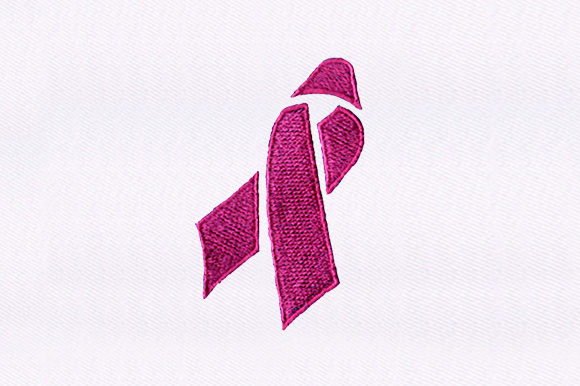
Opening the Cancer Support Ribbon Design file, the immediate mood is one of quiet strength and profound empathy. This isn’t a playful or seasonal motif; it’s a classic and elegant symbol rendered with a clear, heartfelt purpose. The detail level focuses on the ribbon’s recognizable form, ensuring it reads beautifully as a symbol of support and awareness. There’s an inherent emotional appeal here that transcends mere decoration. For a customer seeking a gift that speaks directly to care, solidarity, or remembrance, this design feels perfectly aligned. It’s a handmade touch that can turn an ordinary item into a personal tribute.
Planning Personalized Products with this Design
In my gift shop planning, I envision this machine embroidery design applied across a wide range of heartfelt items. The beauty of a well-executed awareness ribbon is its versatility in conveying a message without words.
- Baby Embroidery & Nursery Items: Stitched onto the corner of a soft blanket or a delicate pillow cover, it could be a subtle, supportive gift for a family.
- Wedding Gifts & Family Keepsakes: Imagine it on a linen apron for a special someone, or a tote bag meant for meaningful occasions. It adds a layer of personal connection.
- Personalized Towels & Aprons: A kitchen towel or apron with this ribbon becomes a daily reminder of support, practical yet deeply personal.
- Craft Fair & Etsy Listings: For sellers, this design is a powerful anchor for a product line focused on empathy and awareness. It can elevate a simple pillow cover or blanket embroidery into a high-value handmade product.
- Custom Order Preview: Using a digital embroidery file to create a printable mockup for clients lets them see the finished product on, say, a dark tote bag versus a light linen item, which is crucial for trust.
Where Careful Application is Key
While the Cancer Support Ribbon Design is versatile, successful custom embroidery requires knowing its limits. Any design with potentially small lettering or very delicate details needs thoughtful placement.
- Textured Fabric & Thick Towels: Looped terry cloth or thick canvas require aggressive stabilizer and possibly adjusting stitch density for clean results.
- Stretchy Baby Clothes & Curved Surfaces: Hooping stretchy knit or a curved cap brim demands extra stabilizer and experience; this design may be better suited for stable, flat areas.
- Dark Fabric: Thread color contrast is paramount. Testing on scrap fabric first is non-negotiable to ensure the ribbon stands out with dignity.
- Products for Frequent Washing: Items like kitchen towels or aprons need robust stitching and high-quality thread to maintain integrity through washes.
Enhancing Giftability and Customer Trust
From a small shop owner’s perspective, how does this design affect the finished product’s appeal? An embroidered towel with the Cancer Support Ribbon Design isn’t just a towel; it’s a gesture. That narrative boosts its perceived value immensely. In product photography, the clear, symbolic design communicates its purpose instantly, driving buyer engagement. For the Etsy seller or craft fair vendor, offering such a focused, meaningful product builds customer trust—they see you understand nuanced needs. The emotional connection forged by this gift is its core selling point, and the handmade quality of a clean embroidery stitch reinforces that sincerity.
Practical Embroidery Notes Before You Stitch
Before running this design on a final product, my professional routine involves several checks. I strongly advise fellow makers to follow similar steps.
- Test on Scrap Fabric: Always hoop a piece of the exact material you plan to use—whether it’s linen for a pillow or fleece for a blanket—and stitch a sample. This reveals how the fabric texture interacts with the design.
- Check Thread Color Contrast: Especially for dark backgrounds, select threads that provide respectful prominence without being garish.
- Confirm Hoop Size: The provided embroidery file formats are extensive (10O, ART, CND, DSB, DST, DSZ, EXP, HUS, JEF, PCS, PEC, PES, TAP, VIP, VP3, XXX), but you must check the actual design dimensions within your software to choose the correct hoop.
- Review Stitch Density: Observe the file’s stitch buildup. On delicate fabrics like silk for a wedding keepsake, high density might require a lighter stabilizer.
- Use Proper Stabilizer: Match your stabilizer to the fabric—no-exception rule for professional results.
- Compare Light and Dark Fabric Mockups: Create digital previews for your shop or client to visualize both scenarios.
- Check Small Details After Stitching: After your test run, inspect the embroidery closely. Are all elements crisp? This is critical for maintaining quality.
- Confirm Commercial Licensing: If you intend to sell the finished products, you must verify the licensing terms for this digital embroidery file. Do not assume; check the specifics before listing any small shop product.
A Design for Meaningful Making
The Cancer Support Ribbon Design, when approached with this level of care, becomes more than just an embroidery file. It becomes a tool for creating connection. For the gift shop owner, the baby product creator, or the wedding gift designer looking to offer something of profound personal significance, this design provides a dignified, beautiful avenue. It asks the maker to be mindful—of technique, of material, and ultimately, of the heartfelt reason it will be gifted. That mindfulness, reflected in a perfectly stitched ribbon on a blanket or tote bag, is what transforms a custom embroidery into a genuine keepsake.