A Designer's Take on the Titanoboa Bluework Embroidery File
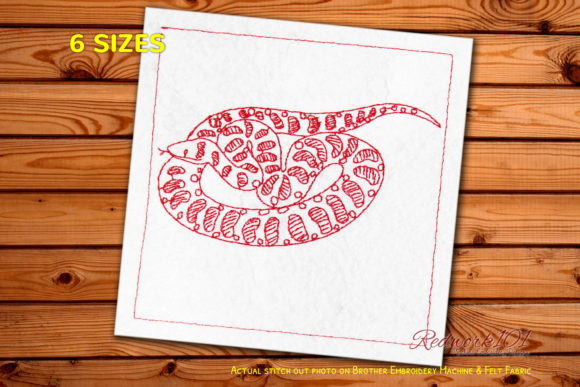
Whenever I sit down to evaluate a new embroidery design for practical use, I look past the preview image. I think about how it will actually stitch out, what it will feel like on fabric, and ultimately, what kind of story it tells when it becomes a finished product. The Titanoboa Bluework design immediately presents a distinct mood. It’s not a cute, whimsical reptile; it’s bold, graphic, and carries a quiet, ancient power. The simplified, almost illustrative style gives it a modern edge, making it feel more like a striking art piece than a biological diagram. This is a design with personality.
The Natural Habitat for This Design
My first instinct, looking at the strong lines and dominant shape, was that this belongs on something substantial. I envisioned it on a heavyweight cotton tote bag for a customer with a taste for natural history or mythology. It would command attention. But the mood isn’t aggressive; it’s confident. That opens up interesting applications. Think of a custom sweatshirt for a science enthusiast, a unique pillow cover in a study, or even a statement patch on a denim jacket. For a boutique focusing on distinctive gifts, this could be a standout on a high-quality apron or a kitchen towel set—something a bit unexpected.
Because the design is built with clear, defined lines, it also translates well to smaller, more personal items. I tested the idea in a black-and-white mockup for a baby’s blanket or nursery decor, and it held up. The simplified form avoids being overly scary, turning the ancient serpent into a more mythical creature for a child’s room, especially if stitched in a softer, perhaps slate blue thread. Its adaptability is a strong point.
Where This Bluework Serpent Truly Shines
In real-life embroidery situations, clarity is king. A design like Titanoboa Bluework, with its emphasis on shape over dense texture, performs beautifully on a variety of surfaces. On custom apparel like t-shirts and sweatshirts, the stitch density feels manageable; it won’t create a stiff, cardboard-like patch on the fabric. For crafters and small business owners creating tote bags or pillow covers, this means a professional-looking result that retains fabric drape.
The design’s graphic nature makes it a superb candidate for patches. Whether you’re creating a standalone embroidered patch for retail or applying it directly to a cap, the clean lines will remain distinct even on curved surfaces, provided you use appropriate stabilizer. For Etsy sellers and digital product sellers offering this as a design asset, the clear visuals also create excellent printable mockups, helping potential buyers instantly see its application.
Practical Considerations for a Smooth Stitch-Out
While the design is versatile, a professional’s eye notes where care is needed. The description mentions the outer box stitch is optional and can be skipped. This is a crucial detail. On smaller hoop sizes or delicate fabrics like thin linens, simplifying the design by omitting that outer element can prevent potential puckering and reduce stitch count, making it friendlier for lighter applications. Always test this on scrap fabric first.
The color of that outer box is noted as often being different. This is a common technique to frame the main subject. In practice, this means you have control. You can use a contrasting thread to make the Titanoboa pop, or skip it entirely for a more integrated look on your chosen fabric. Checking thread color contrast against your final fabric—whether light or dark—is essential. On dark fabrics, the bluework itself will need to be planned carefully; you might opt for brighter shades within the blue spectrum to ensure visibility.
For products destined for frequent washing, like baby clothes or kitchen towels, the design’s relative simplicity is an advantage. Less dense stitching areas are generally more durable under wear and strain. However, always use the correct stabilizer for your fabric type, especially on stretchy fabrics or textured fabrics like fleece, to maintain stitch clarity.
How This Design Elevates Your Finished Product
From a business and presentation standpoint, Titanoboa Bluework adds significant value. Its unique theme isn’t oversaturated in the market. For a creative entrepreneur, this means offering something that feels fresh and curated, boosting customer trust in your handmade product selection. The design’s inherent boldness enhances perceived craftsmanship—it looks intentional and skilled.
For personalized gifts or small shop merchandise, it carries a story. A wedding gift for a paleontology-loving couple, a holiday gift for a fan of prehistoric creatures, or a boutique branding element for a shop with a natural theme—it creates recognition and engagement. It feels professional because it’s coherent; the visual personality is consistent from the digital embroidery file to the stitched final product.
Final Designer Notes Before You Hoop Up
My final thoughts before using any design in client projects or commercial embroidery always revolve due diligence. For Titanoboa Bluework, I strongly advise reviewing the stitch density in your software if possible, and confirming the minimum recommended hoop size for the full design, especially if you plan to include the optional box. Inspect the small details—the curves of the serpent’s form—to ensure they will translate cleanly on your chosen machine.
Most importantly, confirm the licensing terms before selling finished items or including this digital embroidery file in your product line. Does it allow for commercial use? This is a non-negotiable step for craft businesses and Etsy sellers. Once cleared, this design is a robust asset. It’s a versatile, moody piece that, with thoughtful application and proper setup, can produce embroidery that genuinely impresses, turning a simple fabric into a conversation piece. It’s the kind of design that reminds you why machine embroidery is such a powerful tool for makers—it turns compelling art into tangible, wearable, livable craft.